PADEL GUIDE
Padel for Tennis Players: The Quickest Way to Pick Up a New Sport
Quick Answer
Tennis players pick up padel faster than almost anyone else. Your footwork, hand-eye coordination, and court sense all transfer directly. The biggest adjustments are using walls as part of your game, swinging with less power, and learning the underarm serve. Give it two or three sessions and you’ll feel right at home.
Best Padel Paddles for Tennis Players
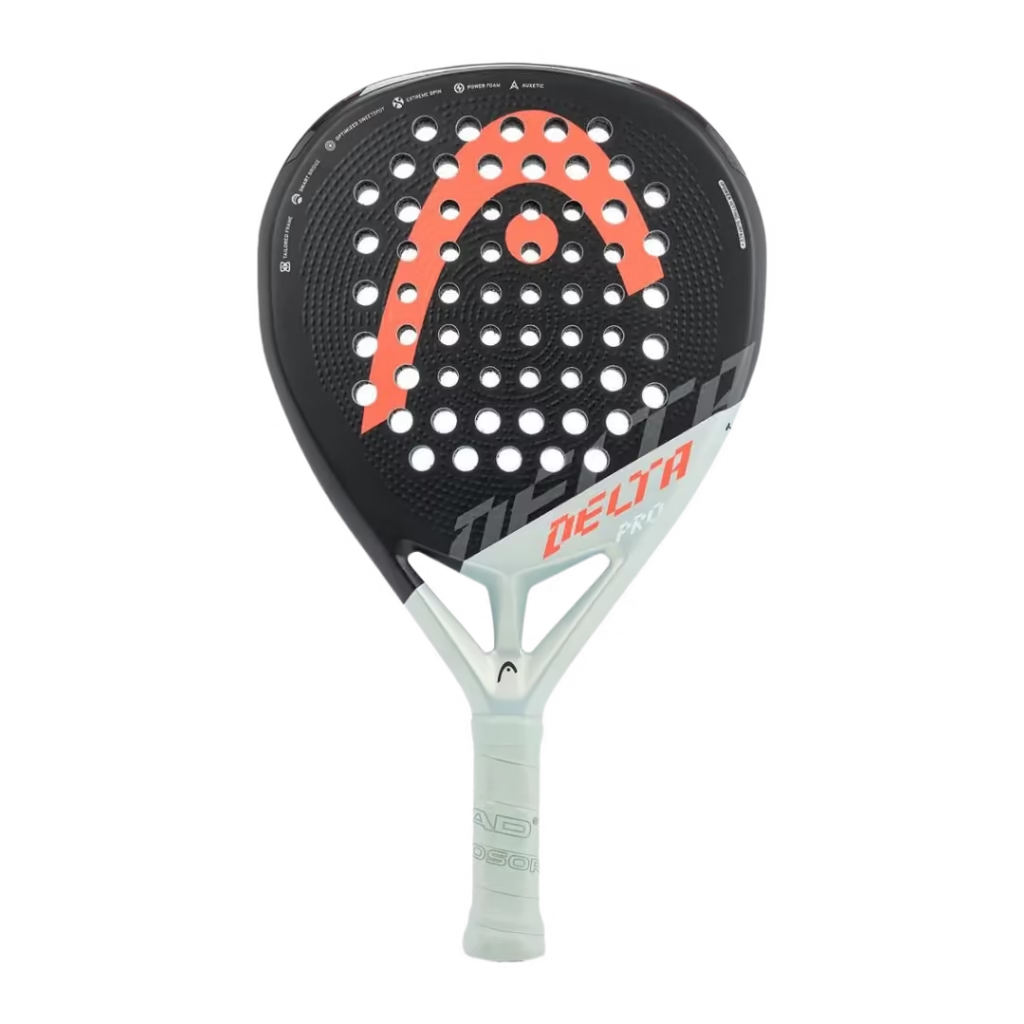
Head Delta Pro 2026
The round shape and foam core give you a large sweet spot — forgiving when your timing is off, which happens a lot in the first few sessions.
For: junior and adult beginners coming from tennis
- Massive sweet spot
- Lightweight 355g
- Good control for beginners
⚠️ Honest note: you’ll outgrow it within a year if you play regularly. But for getting started, it’s excellent value.
Affiliate link · commission earned at no cost to you
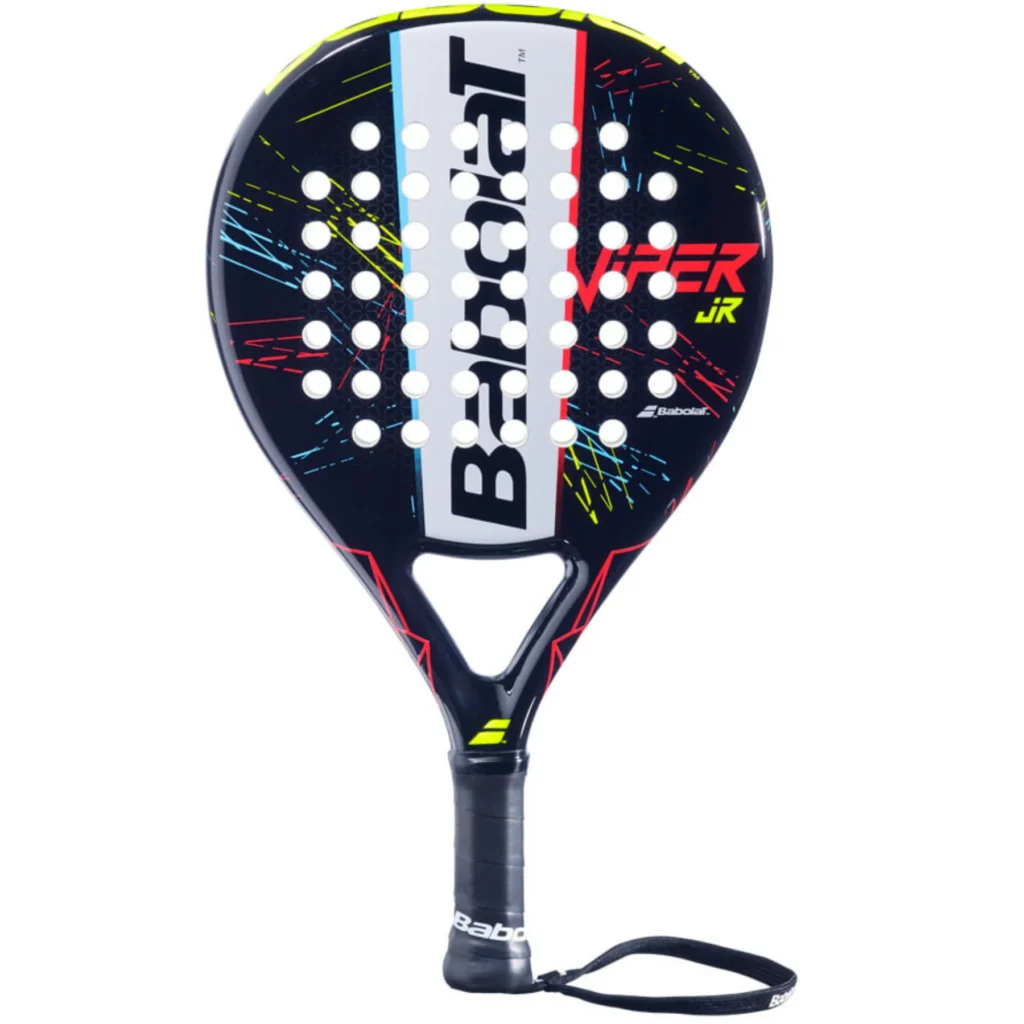
Babolat Viper Jr
Designed specifically for younger players. Lighter than adult paddles and sized to build proper technique from day one.
For: competitive juniors 10–15
- Durable build
- Easy to control
- Junior-specific weight
⚠️ Honest note: not much power for advanced juniors. Best for players in their first year of padel.
Affiliate link · commission earned at no cost to you
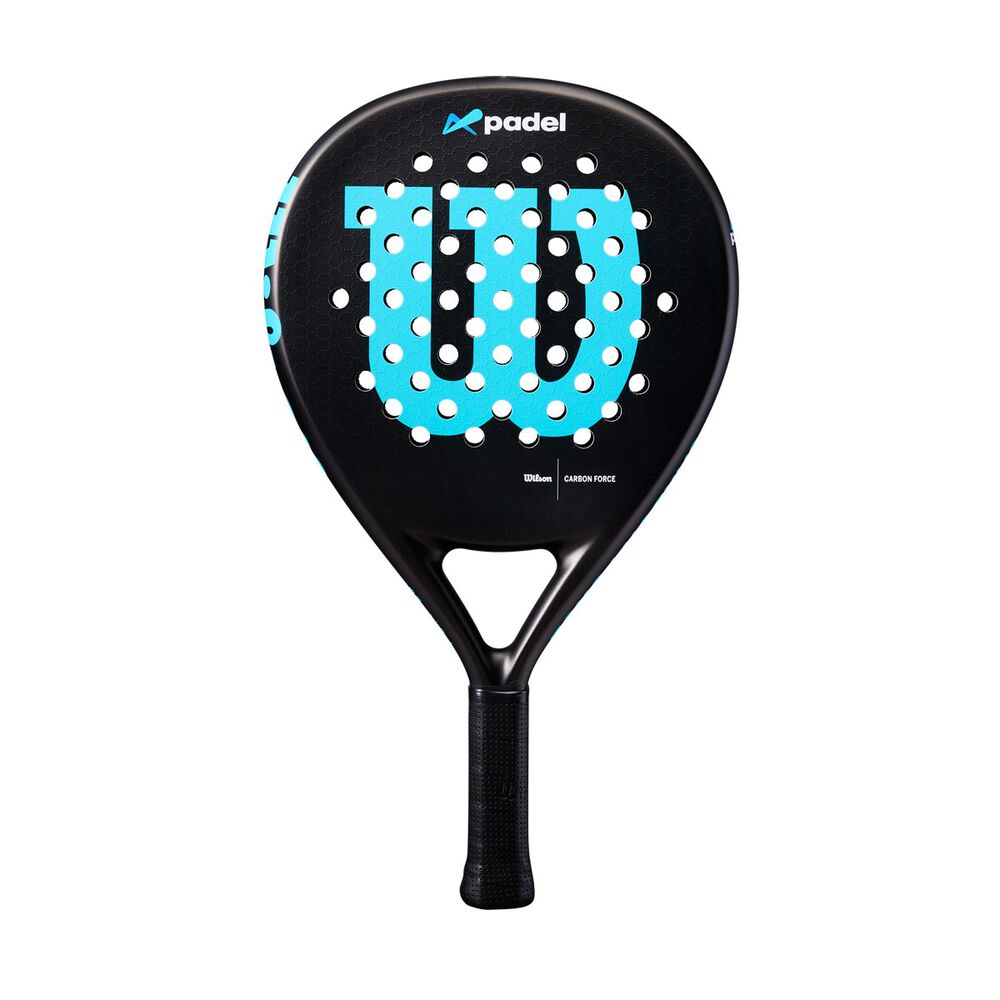
Wilson Carbon Force Pro
Carbon fibre face gives you more power and feedback. Better once you’ve got the basics — control becomes easier to manage with experience.
For: tennis players who want to get serious quickly
- Carbon fibre face
- More pop and power
- Intermediate-friendly
⚠️ Honest note: the smaller sweet spot punishes off-centre hits. Not ideal for total beginners.
Affiliate link · commission earned at no cost to you
Your kid just got invited to a padel birthday party. Or maybe you saw a padel court at your local club and wondered: is this even worth trying?
Here’s the short version: yes, absolutely. And if your family already plays tennis, you’re starting with a massive advantage.
This guide breaks down exactly what transfers, what doesn’t, and how to go from your first session to actually enjoying the game — with the right gear to help you get there faster.
Why Tennis Players Adapt So Fast
Padel looks like a mix of tennis and squash. It’s played on a smaller enclosed court with glass walls, and the ball can bounce off those walls — just like squash. But it uses a scoring system identical to tennis.
For tennis players, the transition feels surprisingly natural.
What Transfers Directly
- Scoring (same as tennis)
- Footwork and court movement
- Hand-eye coordination
- Reading your opponent
- Doubles positioning
- Net play instincts
What Needs Adjustment
- Serve (underarm only)
- Using walls creatively
- Softer swing — less power
- Solid paddle vs string tension
- Lob more, blast less
- Enclosed court awareness
Match example: Maria’s 13-year-old had never touched a padel racket. In her first session she was rallying comfortably within 20 minutes. Her tennis groundstrokes translated immediately — she just had to learn to slow down her swing.
Padel is currently the fastest-growing sport in the world. There are over 25 million players globally, and that number has roughly doubled in the last five years.
The 3 Biggest Adjustments (And How to Make Them)
The Serve
In padel you serve underarm. The ball must bounce first, then be hit below waist height, and land in the diagonal service box. No smashing serves here.
Coach Tip: think of the padel serve as a controlled drop-and-hit. Accuracy matters far more than power. Aim for the body of the receiver to limit their angles.
Using the Walls
This is the most fun part — and the steepest learning curve. The ball can bounce off the back and side glass walls and still be in play. You learn to let balls come off the wall and reset, rather than chasing every ball down before it hits the glass.
Coach Tip: watch the ball, not the wall. Let the wall do the work. If the ball comes off the back glass, position yourself two steps inside the baseline and wait for it to drop.
Less Power, More Placement
Tennis players instinctively swing hard. In padel, that’s a mistake. The solid paddle face sends balls long if you swing full. Compact swings, soft hands, and placement win points.
Common mistake: a tennis player steps up to a mid-court ball and rips a forehand. It flies a metre past the back glass. The court is simply too short for full tennis swings.
The padel court is 10m × 20m — about a third of a full tennis court. That’s why control beats power every single time.
Step-by-Step: Your First 3 Sessions
Session 1 — get comfortable with the paddle and walls. Don’t worry about tactics. Just rally, let balls bounce off walls, and get used to the compact swing. Hit everything soft.
Session 2 — work on the serve and short game. Practise the underarm serve until it lands consistently. Focus on the volley and dinking near the net. Net domination wins padel matches.
Session 3 — play a proper match. Apply everything you know from tennis doubles. Communicate with your partner, move together as a unit, and use lobs to push opponents off the net.
Parent Tip: book a 30-minute intro lesson before jumping into matches. Most padel clubs offer them cheaply and it saves a lot of frustration for kids on day one.
Key Takeaways
- Tennis skills transfer directly — footwork, court sense, and doubles tactics all carry over
- The serve is underarm only; master consistency before adding spin or pace
- Shorten your swing — the padel court is a third the size of a tennis court
- Walls are your friend, not your enemy; let the ball come to you off the glass
- Net domination wins padel matches — get to the net faster than your opponents
- Lobs are a weapon; use them to push the other team back from the net
- A round, foam-core paddle is the right choice for your first season
Frequently Asked Questions
Answers below are drafted from the article above — please review before publishing.
Is padel easier than tennis?
It’s more accessible to pick up, especially for tennis players — the smaller court, underarm serve, and forgiving walls mean beginners can start rallying within a session or two. It still takes real skill to play well.
Can my junior use their tennis racket for padel?
No — padel uses a solid, stringless paddle rather than a strung racket. A beginner-friendly paddle with a large sweet spot, like the round foam-core options above, is the right starting point.
What shoes should my junior wear for padel?
Padel-specific shoes with a herringbone sole are ideal for the sideways sliding movement, though a well-fitted tennis shoe is a reasonable stopgap while padel-specific junior options remain hard to find.
Will playing padel hurt my tennis game?
Not if you’re mindful of the swing difference. The main risk is bringing padel’s compact, softer swing back onto the tennis court out of habit — something worth watching for if you play both regularly.
How long does it take to get good at padel coming from tennis?
Most tennis players feel comfortable rallying within two or three sessions. Getting genuinely good — using the walls confidently and playing smart doubles — typically takes a few months of regular play.
Ready to Give It a Go?
Padel is genuinely fun — fast-paced, social, and easy to pick up if you already play tennis. Your junior will likely fall in love with it within the first session.
Start with a beginner-friendly paddle that gives you a big sweet spot. Book a short intro lesson. And focus on the walls and the soft game — those are the two things that separate padel from everything you already know.
If you want a head start on gear, check out the recommended paddles above. Every one of them has been picked with the tennis-to-padel switch in mind.