BUYING GUIDE
Best Tennis Shoes for 10–12 Year Olds
Quick Answer
For juniors aged 10–12, the Asics GEL-Resolution is the best all-round choice for developing players — stable, durable, and court-specific. On a tighter budget, the Asics GEL-Dedicate 8 Junior and New Balance KC696 Junior both deliver solid protection without the premium price tag.
Best Tennis Shoes for Juniors Aged 10–12
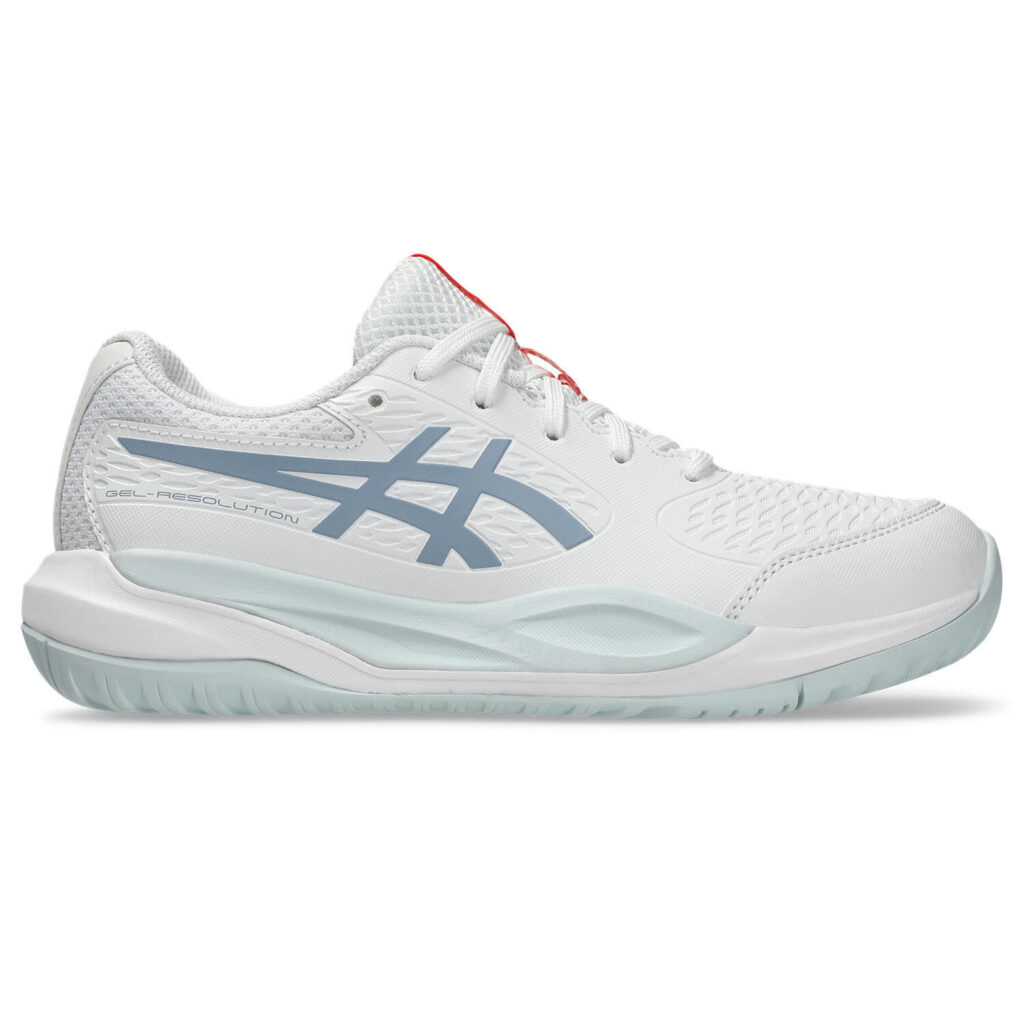
MOST POPULAR
Asics GEL-Resolution
The same stability technology Asics puts in its adult tour shoes, scaled down for junior feet. The Dynalacing system provides a lockdown fit, and the OC outsole is designed specifically for outdoor hard courts.
Best for: Competitive juniors training 3+ times per week on hard courts
- Outstanding lateral stability
- Durable toe reinforcement
- GEL cushioning in heel and forefoot
⚠️ Honest note: Runs slightly narrow — wide-footed kids should try before buying
Affiliate link · commission earned at no cost to you
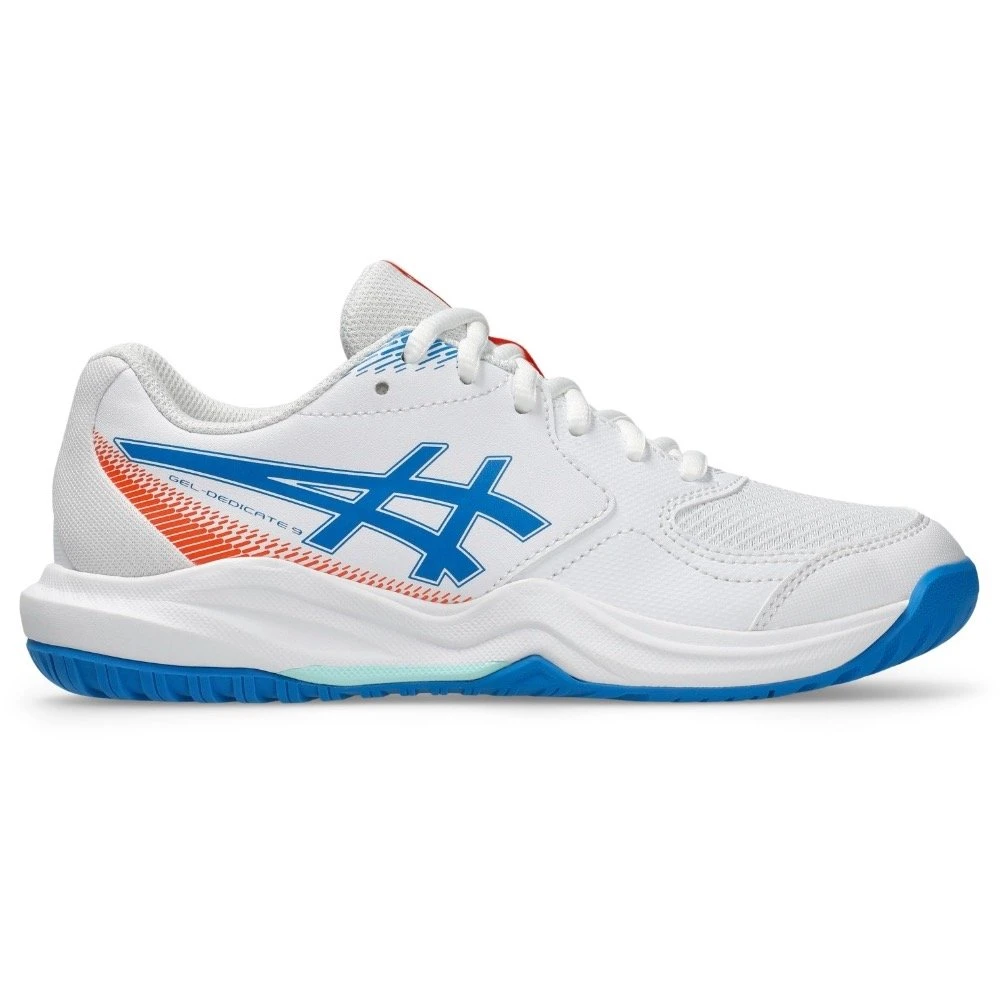
BEST BUDGET
Asics GEL-Dedicate
Lightweight and cushioned entry-level shoe with proper court grip and a GEL heel pad. Not the most durable shoe on this list, but at $65 it’s hard to argue with — especially for feet that are still growing fast.
Best for: Kids just starting out, or parents wanting solid value before committing to a higher price point
- Great value — entry-level done right
- Lightweight — easy on young legs
- Clean design kids actually like
⚠️ Honest note: Less lateral support than the Resolution — not ideal for high-intensity training schedules
Affiliate link · commission earned at no cost to you
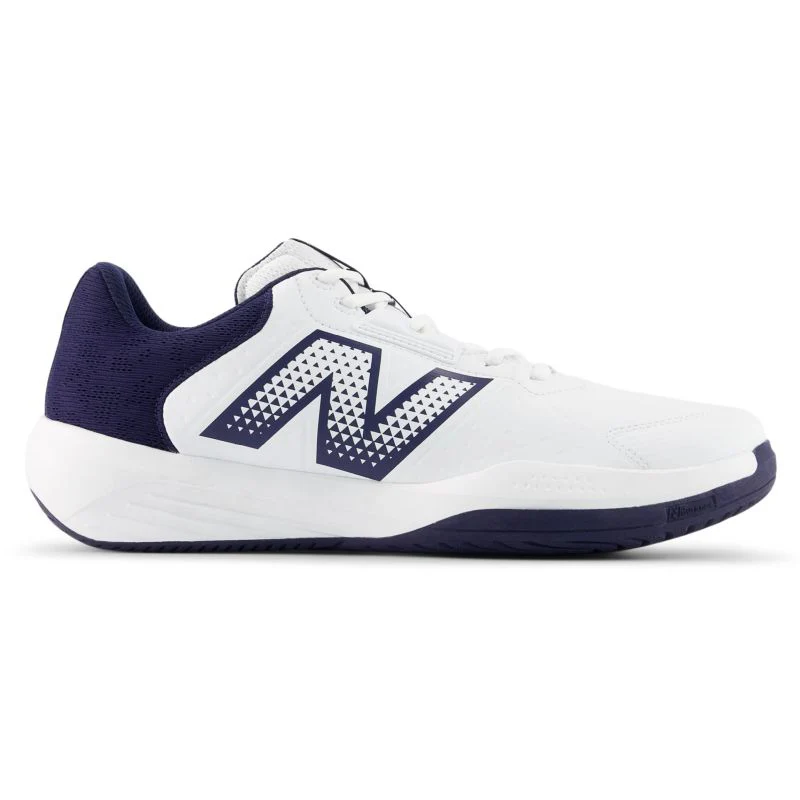
UPDATED MODEL
New Balance KC696 v6
The v3 update brings improved midsole cushioning over the original KC696. If both are available at your retailer, the v3 is worth the extra $5 — the ride feels noticeably more comfortable over a long training session.
Best for: Players who loved the KC696 and want the updated version with slightly better cushioning
- Improved cushioning over v2
- Wider fit retained
- Subtle, clean design
⚠️ Honest note: Marginally less widely stocked — may need to order online rather than try in-store
Affiliate link · commission earned at no cost to you
Your kid is midway through the second set, scrambling wide for a backhand. The last thing you want is a rolled ankle because their shoes don’t grip the court properly. If you’re still putting them in running shoes or general trainers, it’s time to make a change.
Tennis shoes are built differently. They’re designed for lateral movement, sudden stops, and hours of sliding and pivoting on hard surfaces. At 10–12, your junior is starting to develop real technique — and their footwear needs to keep up.
Here’s what actually matters, and which shoes are worth your money right now.
Why Running Shoes Don’t Cut It on a Tennis Court
Running shoes flex forward. Tennis requires you to move in every direction — side to side, backward, forward, diagonally. A standard runner’s shoe offers little lateral support, which increases the risk of ankle rolls and knee strain.
Tennis shoes have a reinforced outsole, lower heel drop, and firmer sidewalls built specifically for multi-directional court movement. For kids this age who are training 2–4 times per week, this isn’t optional.
He wore running shoes for his first season. By week six, he had shin splints and a sore left ankle. Switched to proper tennis shoes and the problems stopped within two weeks.
Tennis parent, Under-12s club tournament
Coach Tip: Check the outsole pattern. Hard court shoes have a herringbone or modified pattern for grip without too much drag. If your kid plays clay, you’ll want a full herringbone for sliding.
Kids aged 10–12 grow approximately one shoe size every 4–6 months. Budget for replacement shoes at least twice per year if they’re training regularly.
What to Look For in Junior Tennis Shoes (Ages 10–12)
This age group is in a sweet spot — feet are getting close to adult proportions but still need good flexibility and cushioning. Here’s what matters most:
Lateral Stability
Wide base, reinforced upper, firm heel counter. This stops the foot rolling during side-to-side movement — the most common cause of ankle injuries in junior players.
Durability
Kids are hard on shoes. Look for a reinforced toe cap (the drag area from serve motion) and solid outsole rubber. Cheaper shoes often wear through the toe after 3–4 months of regular training.
Cushioning
At this age, joints are still developing. Good cushioning on hard courts reduces impact on knees and hips. Gel-based or foam midsoles are the standard to look for.
Fit — Not Too Loose, Not Too Tight
Thumb’s width of space at the toe. No heel slip. Midfoot should feel snug but not compressed. Many parents buy too big to “get extra wear out of them” — this actually increases injury risk.
Parent Tip: Always fit tennis shoes later in the day when feet are slightly swollen from activity. Bring the socks your child actually plays in to the fitting.
| Product | Brand | Best For | Level |
|---|---|---|---|
| GEL-Resolution | Asics | Competitive training | Developing–competitive |
| GEL-Dedicate | Asics | Beginners / value | Beginner–recreational |
| KC696 | New Balance | Wider feet / all-court | Recreational–developing |
| KC696 v4 | New Balance | Wider feet / comfort | Recreational–developing |
Key Takeaways
- Never let a junior play regular tennis in running shoes — lateral support is non-negotiable
- The Asics GEL-Resolution OC Junior is the best all-round choice for competitive 10–12 year olds
- For tight budgets, the GEL-Dedicate 8 Junior does the job well
- Wide-footed kids should look at the New Balance KC696 range — it’s the most accommodating fit on this list
- Expect to replace shoes every 6 months for players training 3+ times per week
- Always fit in the afternoon with the actual socks they play in
- Hard court and clay court shoes are different — check the outsole pattern matches the surface your child plays on most
Frequently Asked Questions
Can my 10-year-old wear adult tennis shoes?
It’s not recommended. Junior shoes are built for growing feet and typically fit narrower through the heel with more forgiving flex than adult models. If your child’s foot has already reached an adult size, look for the smallest adult sizing in a junior-friendly model rather than jumping straight to a full adult performance shoe.
How often should I replace my child’s tennis shoes?
For players training 3+ times per week, budget for a new pair roughly every 6 months. Watch for smooth patches on the outsole tread or the toe cap wearing through — both are signs it’s time to replace, regardless of how long they’ve had them.
Do junior tennis shoes come in wide fittings?
Yes, though fit varies by brand and model — the Asics GEL-Resolution in this guide runs narrow, while the New Balance KC696 range is noted as more accommodating for wider feet. Always check the specific model’s fit notes rather than assuming by brand alone.
What’s the difference between hard court and clay court shoes?
Hard court shoes use a herringbone or modified-herringbone outsole pattern designed for grip without excess drag. Clay court shoes use a full herringbone pattern built for controlled sliding. Using the wrong one for the surface can affect both performance and injury risk.
Is it worth spending more on the Asics GEL-Resolution over cheaper options?
For competitive juniors training 3+ times a week, yes — the extra stability and durability pay off over a season. For a beginner or recreational player still deciding how seriously they’ll take the sport, the GEL-Dedicate offers solid protection at a lower price point.
Ready to Gear Up?
The right shoe at this age isn’t about brand prestige — it’s about keeping growing joints protected, giving your junior the stability to move confidently, and lasting long enough to be worth the investment. Any of the four picks above will serve your child well. Start with the Asics GEL-Resolution OC Junior if they’re training seriously, or the GEL-Dedicate 8 if you’re watching the budget.
Check availability and current prices using the links above — stock on junior sizes can move quickly, especially around the start of the season.