TOURNAMENT GUIDE
Your Junior’s First Tournament: The Complete Survival Guide
Quick Answer
Most juniors lose their first tournament — and that’s completely fine. What matters is showing up prepared, staying calm, and leaving with something to build on. This guide covers everything: what to pack, how to warm up, how to handle nerves, and what to say after the match.
Best Gear for Your Junior’s First Tournament
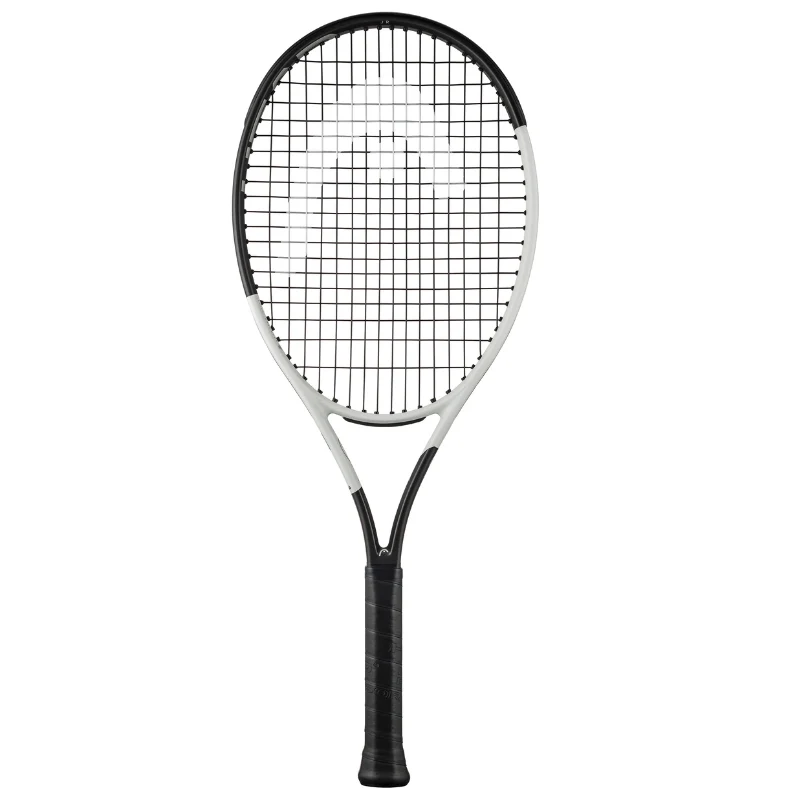
HEAD Speed Junior
Solid all-round performance at a lower price point. Good for families wanting to invest carefully before knowing if their junior will stick with the sport.
For: younger juniors 8–11, first racket upgrade
- Great value
- Light and manoeuvrable
- Available in multiple sizes
⚠️ Honest note: the base string job is average. Budget $15–20 for a restring before the tournament.
Affiliate link · commission earned at no cost to you
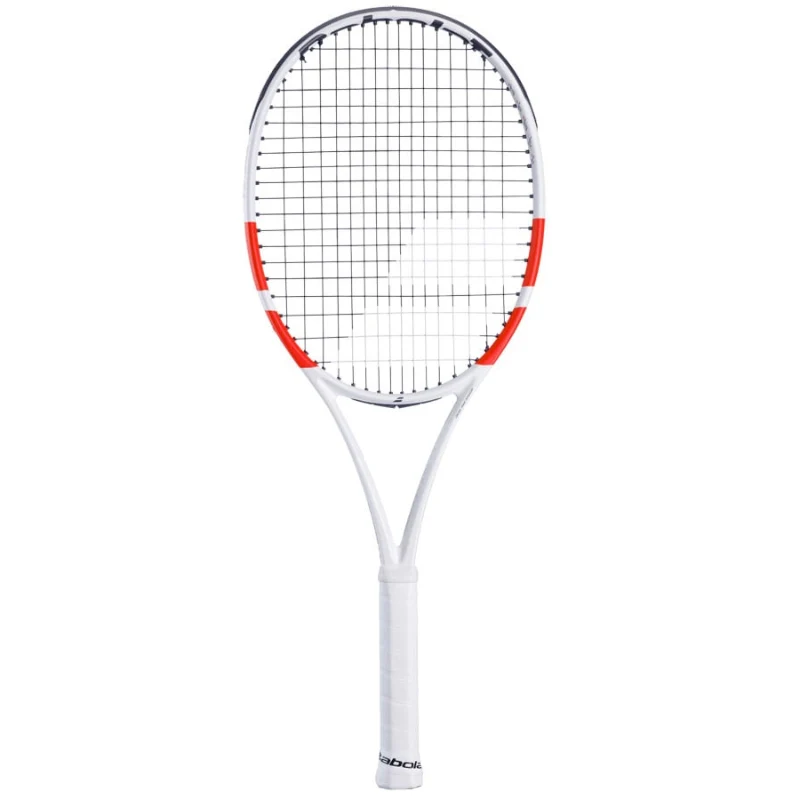
Babolat Pure Strike Junior
When your junior starts asking about spin and speed, this is the step-up racket. More precision, more feedback — rewards good technique.
For: competitive juniors 12–16 moving up levels
- Excellent precision
- Good spin potential
- Trusted tour pedigree
⚠️ Honest note: less forgiving on off-centre hits. Better for juniors with at least one year of serious coaching.
Affiliate link · commission earned at no cost to you
Picture this: it’s 7am, your junior is barely eating breakfast, and you’re driving to a tennis club you’ve never been to before. Your child played brilliantly in practice all week. But the moment the first game starts, they’re double-faulting, rushing shots, and looking over at you after every error.
Sound familiar? You’re not alone. The jump from practice to tournament is one of the biggest transitions in junior tennis — and almost nobody talks about how to actually prepare for it.
This guide covers everything you need to know before, during, and after your junior’s first tournament. No fluff. Just what works.
Why First Tournaments Feel So Overwhelming
Practice is safe. Tournaments are not. That’s the core of it.
This is normal. It’s not a technique problem. It’s a pressure problem — and it gets better with experience. Your job is to make that first experience as positive as possible so they want to come back.
Coach Tip: lower the bar before they arrive. Tell your junior: “The goal today is to play your best tennis and enjoy the experience — not to win.” Say it the night before and again in the car. It works.
In the Bag
- 2 rackets (same setup)
- Extra overgrips × 3
- Water bottle (1.5L min)
- Sports drink or electrolytes
- Banana + energy bars
- Sunscreen SPF 50+
- Spare shirt and socks
- Headband and wristbands
- Small gym towel
Day-of Logistics
- Arrival 45 mins early
- Confirm match schedule
- Find warm-up courts
- Eat 2 hours before match
- Light stretch + skip rope
- 10 min rally warm-up
- Review opponent rules
- Phone on silent (yours)
Parent Tip: pack the bag together with your junior the night before — not the morning of. It gives them ownership and removes one source of morning anxiety.
How to Warm Up Properly on Match Day
Most junior players either skip the warm-up or rush it. Both are mistakes. A proper warm-up is what separates a relaxed first game from a panicked one.
The 20-Minute Match Warm-Up Routine
Minutes 1–5: dynamic stretching. Leg swings, hip circles, arm circles, high knees. No static stretching before a match — it actually reduces power.
Minutes 6–12: easy rallying from the service line. No pace. Just feel the ball. Move to baseline when comfortable.
Minutes 13–17: volleys, overheads, a few serves. Keep it relaxed — this is about timing, not showing off.
Minutes 18–20: two minutes alone. Deep breaths. A simple pre-match routine (same thing before every match = comfort).
Real situation: “We arrived 20 minutes late because of traffic. My daughter had 5 minutes to warm up. She lost the first set 6-1 before she found her feet. The tournament was basically over before it started.”
Coach Tip: build a 3-word pre-match phrase with your junior — something they say to themselves before stepping on court. “Breathe. Move. Compete.” is a good one. Repetition over time turns it into a real anchor.
Managing Nerves During the Match
Nerves are not the enemy. They mean your junior cares. The problem is when nerves turn into tension — tight shoulders, rushed swings, no footwork.
Teach your junior these three things before the tournament:
1. Slow Everything Down Between Points
The biggest mistake juniors make is rushing into the next point. Between every point, turn away from the net, bounce the ball, take a breath. This resets the nervous system — literally. Research backs this up.
2. Focus on Process, Not Score
One tactic: before serving, your junior picks one thing to focus on. “High toss.” “Bend my knees.” Not “don’t double fault.” The brain can’t process a negative — give it something positive to do.
3. Use the Changeover
Sit down. Drink water. Look at your bag, not the opponent. 90 seconds is enough to reset physically and mentally. Most kids waste this by staring at the score or fidgeting.
Coach Tip: if you’re watching from the sideline and your junior looks at you after an error — give them a thumbs up and look neutral. Your reaction is their emotional anchor. Stay calm visually, no matter what.
What to Say (and Not Say) After the Match
This section might be the most important one for parents.
After a loss — especially a tough one — what you say in the first 60 seconds shapes how your junior remembers the entire day. Get this wrong and they’ll dread the next tournament. Get it right and they’ll want to come back.
Say this: “I loved watching you compete today. You showed real guts out there. Let’s get food.”
Do not say this:
- “You should have moved more.”
- “Why didn’t you come to net?”
- “What happened to your serve?”
Not today. There’s a time for coaching. The car ride home isn’t it.
What the research says: studies on young athletes consistently show that parental pressure after a match is one of the top reasons kids quit sport early. The 24-hour rule — no match analysis for 24 hours — is a game-changer for parent-athlete relationships.