PARENT PERSPECTIVE
The ‘Elite Athlete’ Myths Every Tennis Parent Should Know (And Why Kids Really Quit)
Another parent at the club mentioned, almost casually, that her son had dropped soccer and swimming this year to “focus fully on tennis.” Five days a week now. She said it like it was obvious — like anyone serious does this eventually, and the rest of us just hadn’t caught up yet.
I went home and spent an hour down a rabbit hole convincing myself we were behind. Then, a few weeks later, that same kid told his own coach he was tired and didn’t want to go to practice anymore. He’s eleven.
That contrast stuck with me enough that I actually went looking for what the research says — not what other sideline parents assume, not what feels intuitively true, but what’s actually been studied. Some of it surprised me.
The short version
Specializing early doesn’t reliably produce more elite players — it reliably produces more injuries and more burnout. Most of the research points the other way: kids who sample multiple sports before narrowing down tend to stay healthier, stay in the sport longer, and are represented just as often (sometimes more) among elite adult athletes.
The Myth: Earlier and More Specialized Wins
The idea that elite athletes are built by specializing young and training relentlessly owes a lot to one badly misquoted idea: the “10,000-hour rule.” It comes from research by psychologist Anders Ericsson, popularized by Malcolm Gladwell’s Outliers — and Ericsson himself has said it’s an oversimplification of his work. His actual research was about deliberate practice, not just accumulated hours, and it was based on musicians, not athletes.
Gladwell has since said, in conversation with sports journalist David Epstein, that the rule doesn’t really apply to sport — which is a little ironic, since sport is where the idea has had the biggest cultural impact.
What the actual sport-specific research shows is closer to the opposite. The Developmental Model of Sport Participation, a framework built from studying real athlete pathways, found that most elite performers followed a “sampling” path: trying multiple sports through about age 12, narrowing to one or two around 13, and only committing fully to one sport around 15 or 16. Athletes who specialize earlier than that don’t show a performance edge over those who sampled — they show a higher injury rate. Multiple studies have found kids who specialize before age 12 face roughly 3.76 times the burnout rate of those who wait until after 15.
What This Looks Like in Tennis Specifically
A 2011 study tracking nearly 500 ranked USTA junior players (average age 13.5) found that 70% had already become single-sport specialists in tennis, and had done so at an average age of just 10.4. The tennis-only group had higher injury rates and were more likely to withdraw from tournaments for medical reasons than their multi-sport peers. Separately, junior tennis players show an overuse injury rate of 44.3%, compared to 32.2% among athletes who play multiple sports.
Sports medicine guidance for junior tennis specifically recommends not starting tournament play before age 12, capping organized tennis at around 12 hours a week, limiting tournaments to roughly 2 a month or 12 a year, and building in at least 2 hours a week of injury-prevention work. None of that matches the “more is better, sooner is better” instinct most of us walk in with.
Why Kids Actually Quit (Real Data, Not Guesses)
You’ve probably heard the stat that 70% of kids quit organized sports by age 13. It gets repeated constantly — including, at some point, probably by me. It turns out researchers have traced that number back nearly four decades and can’t find a clear original source. It’s an example of what researchers call “citation drift” — a number that gets repeated so often it starts to sound like established fact, without anyone checking where it actually came from.
The real, sourced data from the Aspen Institute’s Project Play research is still worth taking seriously, even without the inflated headline number. On average, kids who quit a sport do so at around age 11, after roughly 2.9 years of playing it. And when you ask kids directly why they stopped, the most common answer isn’t injury, or a better offer from another sport, or even losing — it’s simply that it stopped being fun.
The Other Big Factors
- Coaching quality: Aspen Institute research points to under-trained coaches as a major driver of dropout — kids who play under trained, supportive coaches stick with a sport at meaningfully higher rates.
- Pressure without support: The combination that pushes kids out fastest isn’t pressure alone — it’s pressure to perform paired with a lack of emotional or logistical support at home or from coaches.
- Cost: The average family now spends over $1,000 a year on a child’s main sport — up 46% in just five years. That price pressure changes the emotional stakes around every match for the whole family, not just the kid.
Worth remembering: when researchers ask kids what they want most from playing sport, “fun” and “playing with friends” consistently rank above winning — even among competitive juniors. That’s often the opposite of what the surrounding culture (rankings, scholarships, college recruiting talk) tells parents to prioritize.
What Actually Helps Keep Kids in the Game
None of this means ambition is bad, or that a serious junior shouldn’t train hard. It means the research points toward a different set of priorities than most of us default to.
- Let them sample other sports, especially before 12. It’s not a distraction from tennis — the evidence suggests it protects both their health and their long-term interest in the sport.
- Protect the fun on purpose. If every conversation after a match is about what went wrong, fun quietly disappears first, long before your kid says anything about quitting.
- Ask about coaching, not just results. A coach who’s trained in working with kids — not just a strong player themselves — is one of the biggest predictors of a child staying in the sport.
- Watch the hours, not just the ambition. The tennis-specific guidelines above (roughly 12 hours a week max, 2 hours of injury prevention) exist because overuse injuries in juniors are common and largely preventable.
- Let them have a say. Kids who feel some ownership over their own training — even small choices, like which tournaments to enter — report more enjoyment and stick with sport longer than kids on a schedule entirely set by adults.
Books Worth Reading Before You Push Harder
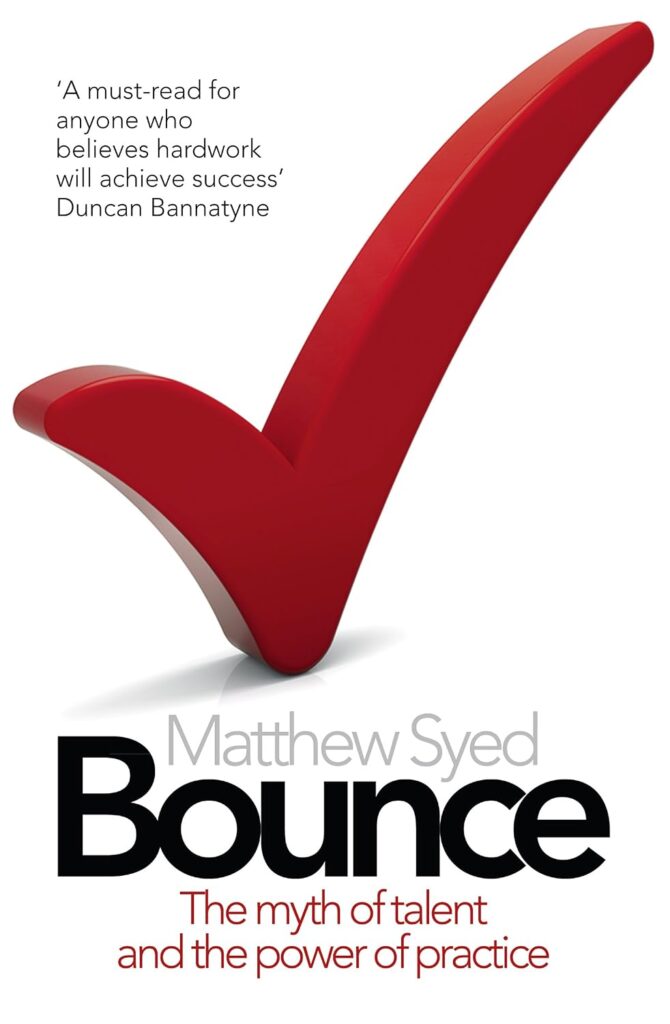
Bounce — Matthew Syed
For parents questioning the ‘10,000 hours’ theory before building a schedule around it
“The book that made me stop assuming talent works the way I thought it did.”
$18
- Written by a former table tennis Olympian, not just a journalist
- Directly tackles the talent-vs-practice myths covered above
- Accessible, story-driven — not a dry research summary
⚠️ Honest note: leans heavily on the practice side of the argument — pair with The Sports Gene if you want the genetics counterpoint too.
(Add your affiliate link) · rel=sponsored nofollow

Peak — Anders Ericsson
For parents who want the 10,000-hour idea explained properly, by the researcher it actually came from
“This is the book Gladwell should have written.”
$18
- Straight from the source researcher, not a secondhand summary
- Explains deliberate practice — the part most people skip past
- Genuinely useful for thinking about how your junior trains, not just how much
⚠️ Honest note: denser than Bounce — more useful once you already buy the premise and want the mechanics.
(Add your affiliate link) · rel=sponsored nofollow
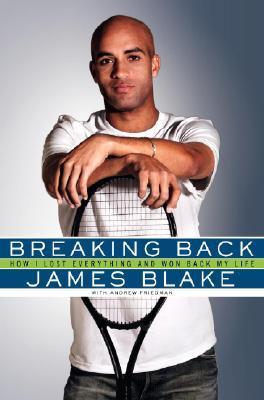
Breaking Back — James Blake
For a junior who’s facing a setback, a slump, or is telling you they want to quit
“Handed this to my son during a rough patch and he actually finished it in a week.”
$16
- A real comeback story, not a lecture about resilience
- Written for a general audience — older juniors can read it themselves
- Good conversation starter about setbacks that isn’t coming directly from a parent
⚠️ Honest note: it’s a memoir, not a how-to — don’t expect concrete drills or frameworks from this one.
(Add your affiliate link) · rel=sponsored nofollow
Key Takeaways
- The “70% of kids quit by 13” stat is unverified — but the real data (avg. 2.9 years of play, quitting around age 11, “not fun anymore” as the top reason) is concerning enough on its own.
- Early specialization hasn’t been shown to produce more elite athletes — it’s been shown to produce more injuries and burnout.
- In tennis specifically, specializing before 12 is linked to significantly higher overuse injury and medical-withdrawal rates.
- Coaching quality and preserving genuine fun predict staying in the sport better than training volume does.
- Giving juniors some real say in their own schedule is linked to both more enjoyment and longer participation.
Parent FAQ
Isn’t some early specialization necessary in a sport like tennis?
The research doesn’t support that for most kids — USTA data actually links earlier tennis-only specialization to more injuries and tournament withdrawals, not better outcomes. The recommended approach is sampling other sports through around age 12, then narrowing gradually.
My kid says they want to quit — how do I know if it’s burnout or just a bad week?
A bad week usually passes on its own within a couple of sessions. Burnout tends to show up as a pattern — consistent dread before practice, physical complaints with no clear injury, or flat enjoyment even after wins. If it’s the second one, it’s worth a real conversation, not just pushing through.
Does playing multiple sports actually slow down tennis development?
The evidence points the other way — athletes who sample multiple sports before specializing tend to have longer, healthier careers in their main sport, not shorter ones. The skills and athleticism built elsewhere generally transfer rather than compete.
I still think about that eleven-year-old telling his coach he was tired. Not because five-day training weeks are automatically wrong for every kid — some genuinely thrive on it — but because “more, sooner” isn’t actually backed by the research the way our sideline instincts tell us it is. If your kid is still asking to go to practice, that’s worth protecting more than any schedule.
See you on the sideline.
Sources referenced in this post
- Aspen Institute / Project Play — National Youth Sport Survey key findings
- Aspen Institute — Keeping Kids from Quitting Sports
- Early Sport Specialization and Intense Training in Junior Tennis Players: A Sport-Specific Review (PMC)
- AOSSM — The Fallacy of Falling Behind: The Realities of Early Sports Specialization
- The 10,000-Hour Rule is a Myth — overview of Ericsson’s critique of Gladwell’s framing