RACKET GUIDE
Best Tennis Rackets for 10–12 Year Olds
Quick Answer
For most 10–12 year olds, a 26-inch junior racket is the right fit. Look for something between 230–260g, with a mid-size head and good grip size for smaller hands. The Head Speed Jr 26 and Babolat Pure Aero Junior 26 are the two strongest options in 2026 — but the right choice depends on whether your child prioritises feel or spin.
Best Tennis Rackets for 10–12 Year Olds
These four rackets are pulled directly from our catalogue — all are 26-inch frames designed for this exact age group, from four different brands at similar price points.
TOP PICK
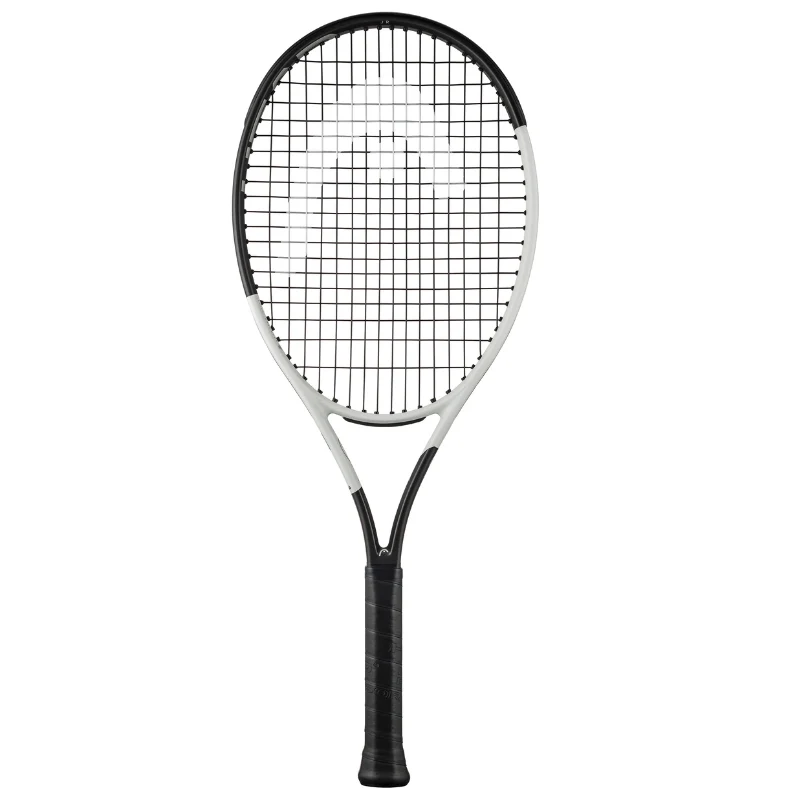
Head Speed Jr 26
The 2026 update brings Hy-Bor technology from Head’s adult Speed line into a junior frame — giving older kids a genuine taste of pro-level feel and control. It’s the best junior racket Head has made for this age group.
- 2026 updated technology
- Excellent control for developing technique
- Endorsed by Djokovic/Sinner family brand
⚠️ Honest note: slightly firmer feel than the Boom Jr. Players who hit late or off-centre will feel it more. Better for kids with developing technique than complete beginners.
Affiliate link · commission earned at no cost to you
SPIN PICK
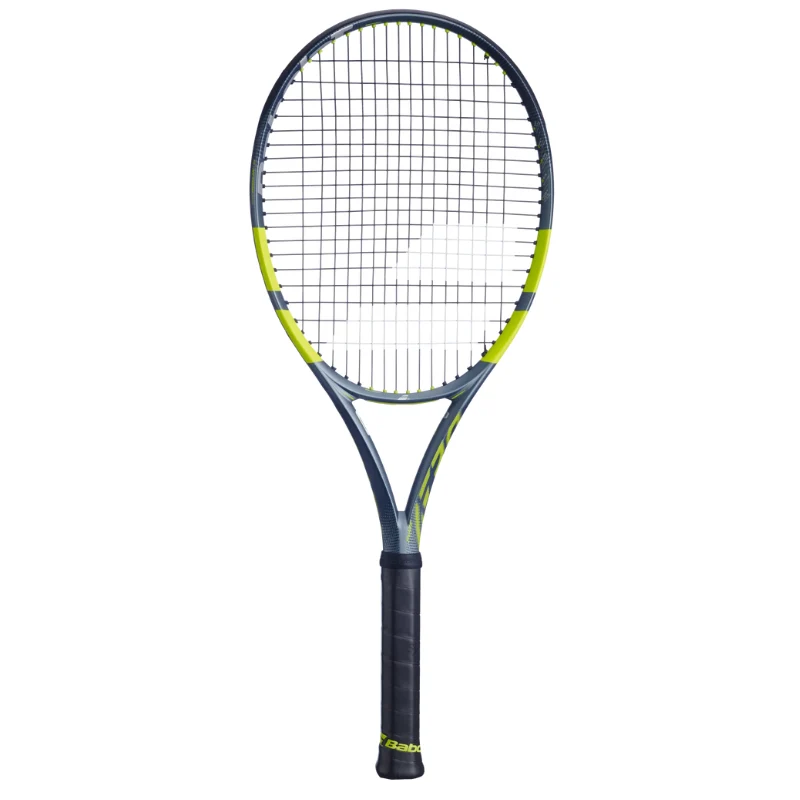
Babolat Pure Aero Jr 26
If your child hits with heavy topspin and loves the baseline game, this is the one. The Aero frame geometry helps generate spin naturally — and the Nadal connection makes it extremely popular with junior players.
- Best spin generation in the category
- Rafael Nadal family brand appeal & looks
- Aerodynamic frame aids swing speed
⚠️ Honest note: less comfortable on off-centre hits than rounder frames. Not ideal for kids still working on their contact point consistency.
Affiliate link · commission earned at no cost to you
ALL-ROUND PICK
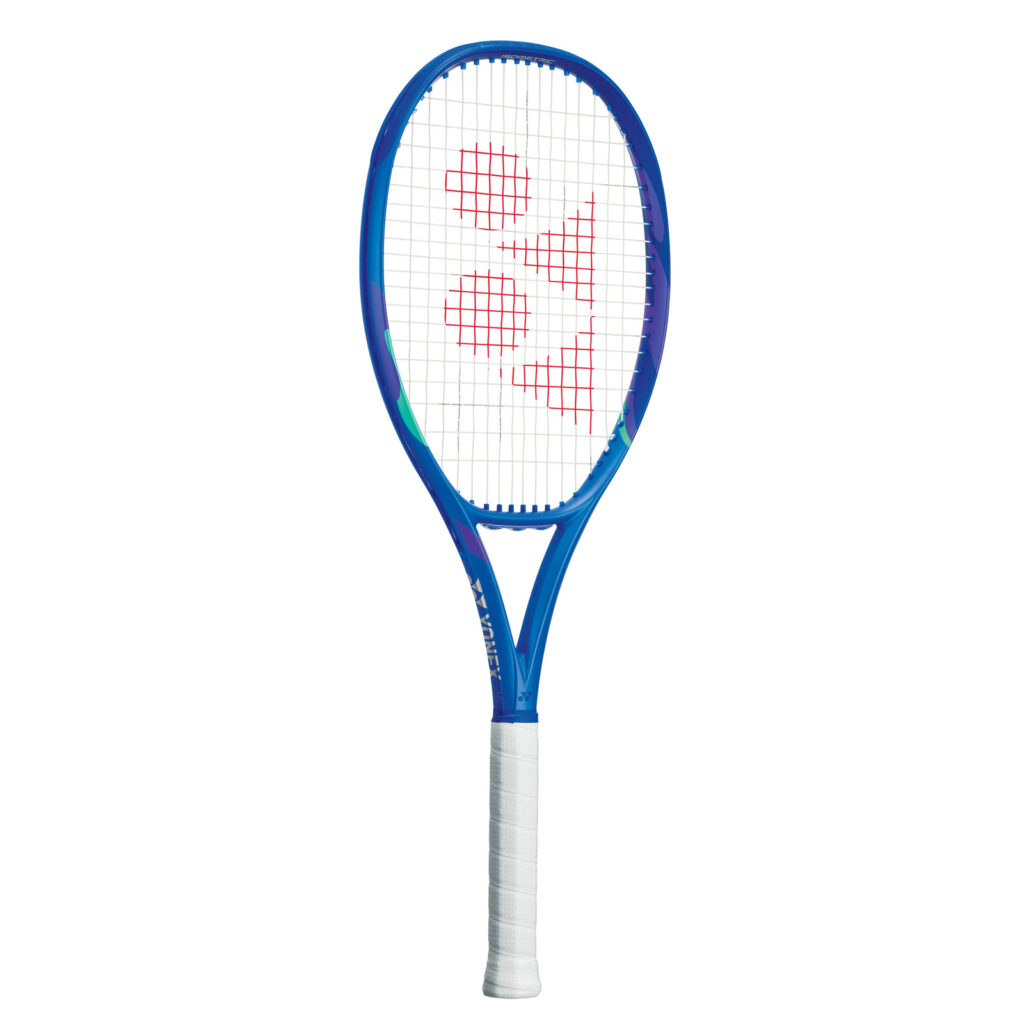
Yonex EZONE 26 Jr
Yonex’s EZONE line is known for its comfort and arm-friendliness, and the junior 26 delivers that same quality. For players training 3+ times a week, the reduced vibration is a meaningful benefit over long sessions.
- Isometric head shape = larger sweet spot
- Arm-friendly vibration dampening support
- Great for all-court playing styles
⚠️ Honest note: less widely available in Australia than Head or Wilson. Check stock before committing.
Affiliate link · commission earned at no cost to you
VALUE PICK
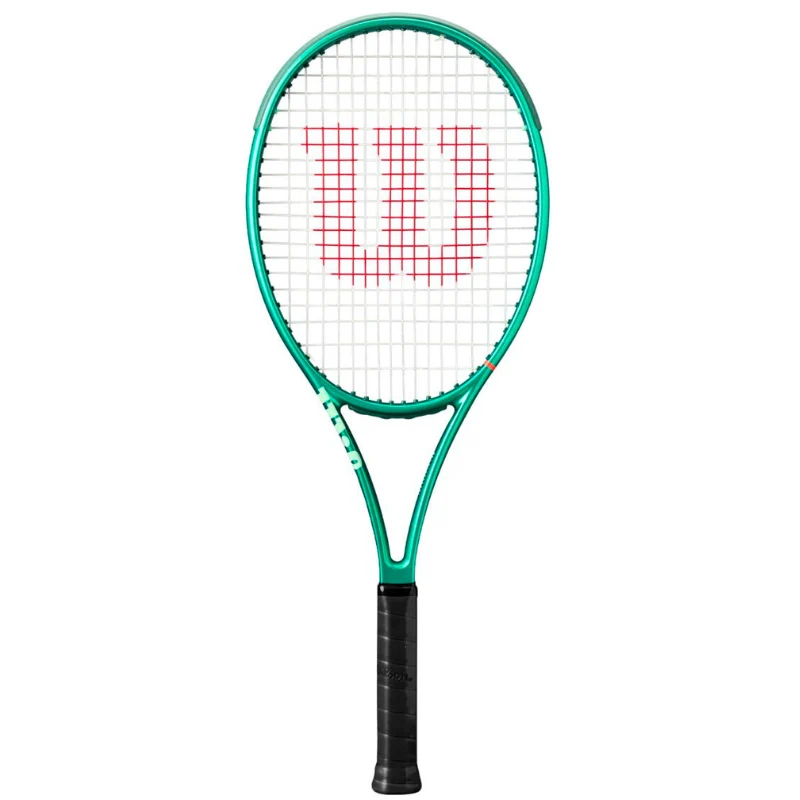
Wilson Blade 26 Jr
The Blade Junior is the most accessible entry point from the premium Wilson range. The most affordable of the four, and the Blade pedigree means it still offers a genuinely quality feel — not a budget compromise.
- Most affordable in this group
- Classic Blade control and feel like the pros
- Widely available everywhere so no excuses
⚠️ Honest note: slightly firmer feel than the Boom Jr. Players who hit late or off-centre will feel it more. Better for kids with developing technique than complete beginners.
Affiliate link · commission earned at no cost to you
Your 10-year-old just moved up a level at the club. The coach says it’s time for a proper racket — not the beginner frame they’ve been using for two years. So you start searching and suddenly there are thirty options across five brands and you have no idea where to start.
This guide cuts through all of that. We’ll explain exactly what to look for at this age group, what the key mistakes are when buying, and which rackets from the current catalogue are actually worth your money.
Why the Right Racket Matters More at This Age
Between 10 and 12, junior players are building the stroke patterns they’ll use for the rest of their tennis careers. A racket that’s too heavy forces bad habits — shortened backswings, wristy contact, and tired arms by the third set.
A racket that’s too light and powerful does the opposite — it does the work for them, so they never learn to generate their own pace. The sweet spot is a racket that rewards good technique without punishing small mistakes.
Real situation: James, 11, was hitting late on his backhand every match. His coach spotted it immediately — the racket was 20g too heavy for his swing speed. One week after switching, his timing was back.
Coach Tip: hold the racket at the throat and ask your child to swing it ten times quickly. If they slow down after five or start dropping the head, the frame is too heavy. It should feel effortless to swing fast.
Studies on junior biomechanics show that players aged 10–12 generate roughly 60% of the swing speed of adult recreational players — which is why a 300g adult frame is far too demanding for this age group.
The 26-Inch Rule — and Why It Applies Here
Junior rackets come in sizes from 19 inches (toddlers) up to 26 inches (pre-teens). For most 10–12 year olds, 26 inches is the correct length — it’s one step below a full adult frame and gives players the swing arc they need to develop proper groundstrokes.
Some taller or physically advanced 12-year-olds can move to a 27-inch adult frame — but only if their technique is solid and their coach recommends it. Don’t rush this step.
Real situation: Sofia’s mum bought her a 25-inch frame because it was on sale. By 11, Sofia was cramped on every forehand — the racket was simply too short for her arm span. A 26-inch solved it immediately.
Coach Tip: stand the racket next to your child. The top of the frame should reach between their hip and waist. If it reaches above the waist, it might be too long. Below the hip — too short.
The ITF officially recommends 26-inch rackets for players aged 10–11 transitioning from Orange Ball to Green Ball competition — the most critical transition in junior tennis development.
The 3 Biggest Buying Mistakes Parents Make
1. Buying an Adult Frame “to Grow Into”
A full 27-inch, 300g racket will overpower a 10-year-old. It’s the equivalent of giving a child adult ski boots — they can’t control it and it teaches them exactly the wrong habits.
2. Choosing by Brand Over Fit
Your child doesn’t need Nadal’s racket. They need the right weight, length, and grip size for their body. A Wilson Blade Junior at $89 will develop their game better than a mismatched adult frame at $250.
3. Ignoring Grip Size
Most junior rackets come in grip size 0 (4 inches). This is correct for most 10–12 year olds. Check that your child can fit one finger between their palm and fingers when holding the grip — if they can’t, it’s too big.
Coach Tip: replace the grip tape every 2–3 months if your child plays more than twice a week. A worn grip causes them to squeeze harder, which tightens the whole arm and kills feel.
Grip-related arm tension is one of the top three causes of elbow and shoulder discomfort in junior players — and the easiest to fix. Fresh overgrip costs under approx $7.
Key Takeaways
- 26 inches is the correct racket length for most 10–12 year olds
- Target weight: 230–260g — light enough to swing fast, heavy enough to develop proper technique
- Never buy an adult frame “to grow into” — it creates bad habits that take years to fix
- The Head Speed Jr 26 (2026) is the top all-round pick with the latest technology
- Choose the Babolat Pure Aero Jr 26 if your child is a topspin baseliner
- The Wilson Blade 26 is the best value option without sacrificing quality
- Replace overgrip every 2–3 months — fresh grip protects the arm and improves feel
Frequently Asked Questions
When should a 12-year-old move to an adult racket?
Only once their technique is solid and a coach recommends it — typically when they’re taller or physically advanced for their age. A 27-inch adult frame shouldn’t be rushed just because of age alone.
Should I buy a strung or unstrung junior racket?
A pre-strung racket is the simpler choice for this age group — it’s ready to play out of the box. Budget for a restring roughly every season if your child plays regularly.
Is a $99 junior racket worth it over a $40 option?
Often yes at this age — a well-matched frame in the $80–100 range, like the Wilson Blade 26 here, tends to offer noticeably better feel and control than a bargain-bin option without being an adult-level price.
How long will a junior racket last?
Most kids stay in a 26-inch frame for a year or two before growing into the next size up, string wear and frame durability aside. It’s more about their height and technique than the racket wearing out.
Does it matter what brand of racket my child uses?
Less than weight, length, and grip size do. All four rackets in this guide are well-suited to this age group from different brands — fit matters more than the logo.
Ready to Pick the Right Racket?
At this age, the racket really does matter — not because of the brand, but because the right weight and length directly affects how your child develops their technique over the next two or three years.
Our top pick is the Head Speed Jr 26 (2026) for most players. If your child loves topspin, go with the Babolat Pure Aero Junior 26. On a tighter budget, the Wilson Blade 26 won’t let you down.
Check the recommended rackets above — and if you’re unsure, ask your child’s coach which style fits their game best before buying.